History
History is one of the most important subjects in the world. It helps us understand past events, different cultures, and how societies have developed over time. Learning history can open many opportunities, like understanding the present, avoiding past mistakes, and thinking more critically about the world.
Cleopatra lived closer to the iPhone than the pyramids
The Great Pyramid of Giza was already about 2,500 years old when Cleopatra ruled Egypt. That means Cleopatra is much closer in time to us than to the pyramid builders.
The shortest war in history lasted about 45 minutes
The Anglo-Zanzibar War of 1896 is often considered the shortest recorded war. One side surrendered in less than an hour.
People once believed invisible diseases came from “bad air”
Before modern medicine, many societies thought diseases were caused by miasma (bad smells in the air), not germs.
The Industrial Revolution reshaped daily life faster than most expect
In just a few generations, societies shifted from farming-based life to machine-based factories. This period dramatically changed cities, jobs, and technology.
Oxford is older than the Aztec Empire
Teaching at the University of Oxford began around the 1090s, while the Aztec Empire began in 1428.
That means students were studying in Oxford while the Aztecs had not even formed as a civilization yet.
The “Great Emu War” involved the military vs. birds
In 1932 in Australia, soldiers tried to control emu populations destroying crops. The emus proved surprisingly hard to defeat, and the operation failed.
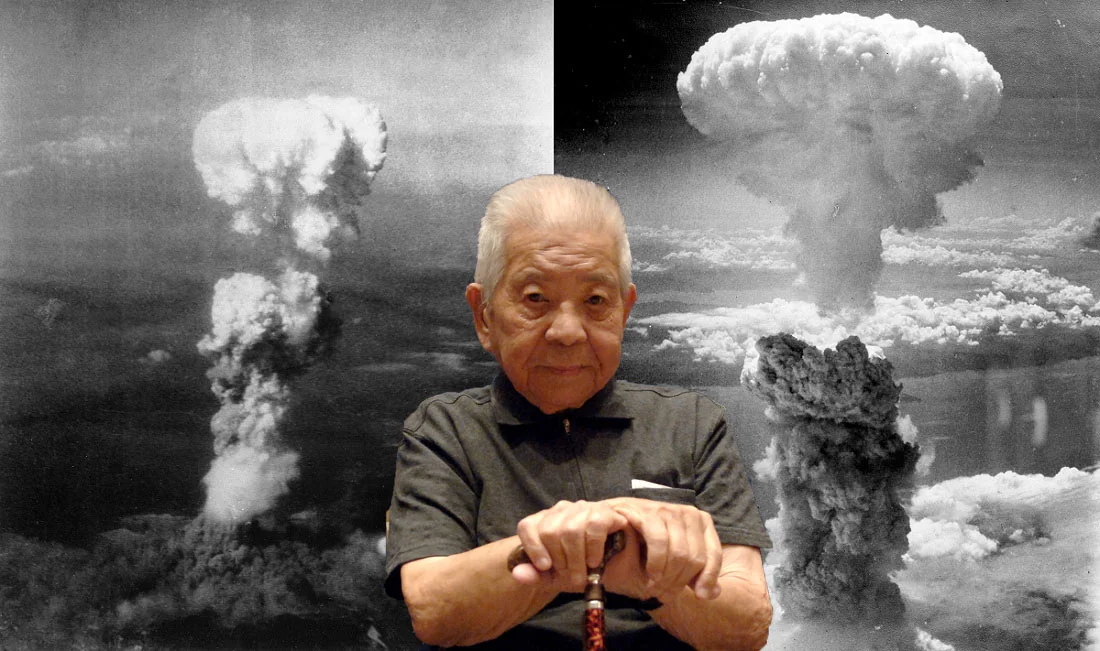
A man survived two atomic bombs
Tsutomu Yamaguchi was in Hiroshima during the 1945 bombing, survived, traveled to Nagasaki—and survived the second bombing there as well.
He is officially recognized as a survivor of both Hiroshima atomic bombing and Nagasaki atomic bombing.
A single rider carrying a message that changed a war
During World War I, a British soldier named Henry Tandey reportedly had Adolf Hitler in his sights but chose not to shoot him, letting him escape.
Whether or not every detail is perfectly verified, the story has become one of history’s most debated “what if” moments.
The fake army that fooled the Nazis
During World War II, the U.S. created an entire “ghost army” using inflatable tanks, fake radio signals, and sound effects to trick German forces about troop locations.
It worked—and saved thousands of lives.