

English

Facts


English is one of the most widely used languages in the world. It connects people from different countries and is the main language of science, technology, movies, and the internet. Learning English can open many opportunities, like traveling, studying abroad, and understanding global trends. Here are a few unusual facts that tend to surprise people:

English has a huge vocabulary
English is one of the richest languages in the world, with over 170,000 words in current use and many more obsolete ones.

It borrows from many languages
English isn’t “pure”—it has taken words from Latin, French, German, Greek, Spanish, and many others. That’s why it can feel inconsistent.

The shortest complete sentence is “Go!”
Just one word can form a full sentence in English.

“E” is the most common letter
It appears more often than any other letter in English texts.

Pangrams exist
A pangram is a sentence that uses every letter of the alphabet. Example:
“The quick brown fox jumps over the lazy dog.”

New words are added every year
Dictionaries like the Oxford English Dictionary regularly update with modern words like “selfie” or “ghosting.”

English is a global language
It’s spoken in over 70 countries and is often used as a common language between people from different nations.

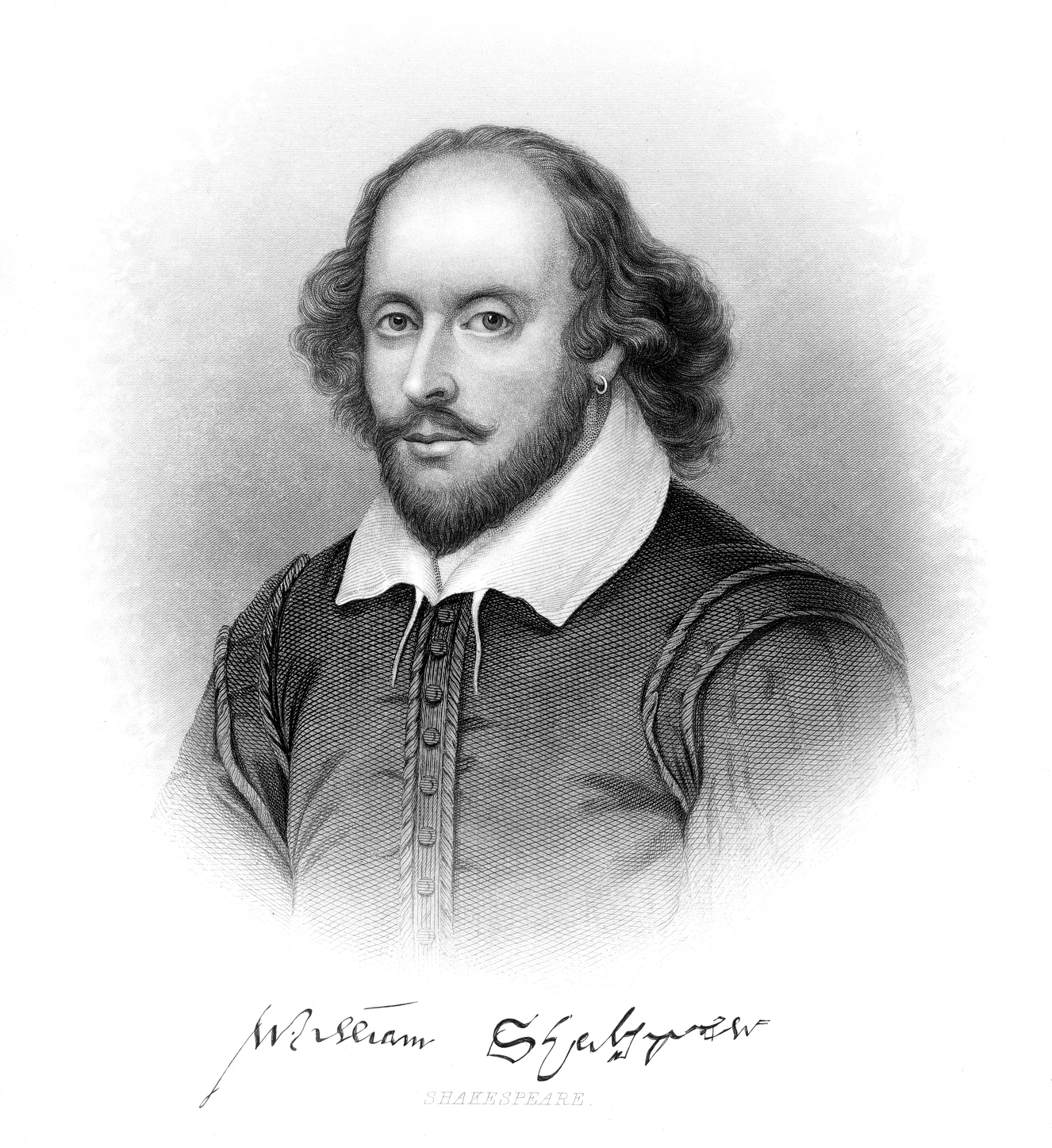
Shakespeare influenced English a lot
William Shakespeare invented or popularized hundreds of words and phrases, like “break the ice” and “wild-goose chase.”

Grammar

Past

Past tenses in English describe actions, states, or events that happened before the present moment. There are four main types:

  • Past Simple  (completed actions)
  • Past Continuous (ongoing actions)
  • Past Perfect (actions before another past action)
  • Past Perfect Continuous (duration before a past action)

Past Simple
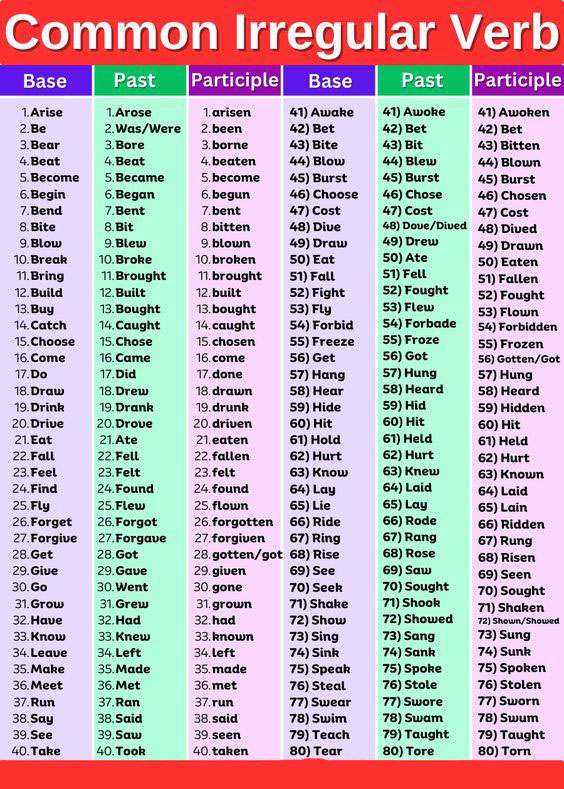
Past Simple is used to talk about completed actions in the past.

Formation
Positive sentences are formed by adding -ed to regular verbs or using the second form of irregular verbs.
Example: I played football yesterday.
In negative sentences, use did not + base verb.
Example: They didn’t go to school.
In questions, use did + subject + base verb.
Example: Did she watch the movie?

Rules for Using Past Simple:
Completed action: I watched this film yesterday.
Sequence of actions: She entered, sat down, and smiled.
Repeated past actions: We played every summer.
Historical facts: He was born in 2005.

Past Continuous

Past Continuous is used for actions that were happening at a specific moment in the past.

Formation
Positive sentences use was/were + verb + -ing.
Example: I was watching TV at 8 p.m.
In negative sentences, use was/were + not + verb-ing.
Example: They were not sleeping.
In questions, use was/were + subject + verb-ing.
Example: Were you listening to music?

Rules for Using Past Continuous:
Action in progress: I was studying when he called.
Two actions at the same time: She was cooking while I was cleaning.
Background actions: The sun was shining, and birds were singing.

Past Perfect

Past Perfect is used to show that one action happened before another in the past.

Formation
Positive sentences use had + past participle (V3).
Example: I had finished before he arrived.
In negative sentences, use had not + V3.
Example: She hadn’t done her homework.
In questions, use had + subject + V3.
Example: Had they left before you came?

Rules for Using Past Perfect:
Earlier past action: I had eaten before the party.
Reported speech: He said he had seen her.
Cause and result: She was tired because she had worked all day.

Past Perfect Continuous

Past Perfect Continuous is used for long actions before a point in the past.

Formation
Positive sentences use had been + verb + -ing.
Example: I had been studying for hours.
In negative sentences, use had not been + verb-ing.
Example: She hadn’t been sleeping well.
In questions, use had + subject + been + verb-ing.
Example: Had you been waiting long?

Rules for Using Past Perfect Continuous:
Duration before past: I had been working for 5 hours.
Cause of past result: He was tired because he had been running.